

Having problems with Glis Glis?
These animals are active for six months and hibernate from roughly October to May, depending on local climatic conditions. They are mostly active in the summer and are active on an average of 202 min in a 24-hour day, mostly at night. They prepare a den in soft soil or hidden in a cave, and rely on fat reserves to survive through the winter. During hibernation, metabolic rate and body temperature fall dramatically, and the animal may cease breathing altogether for periods of up to an hour. In years with low food availability edible dormice can hibernate longer than 11 months.
Professional Glis Glis Control Services in the UK
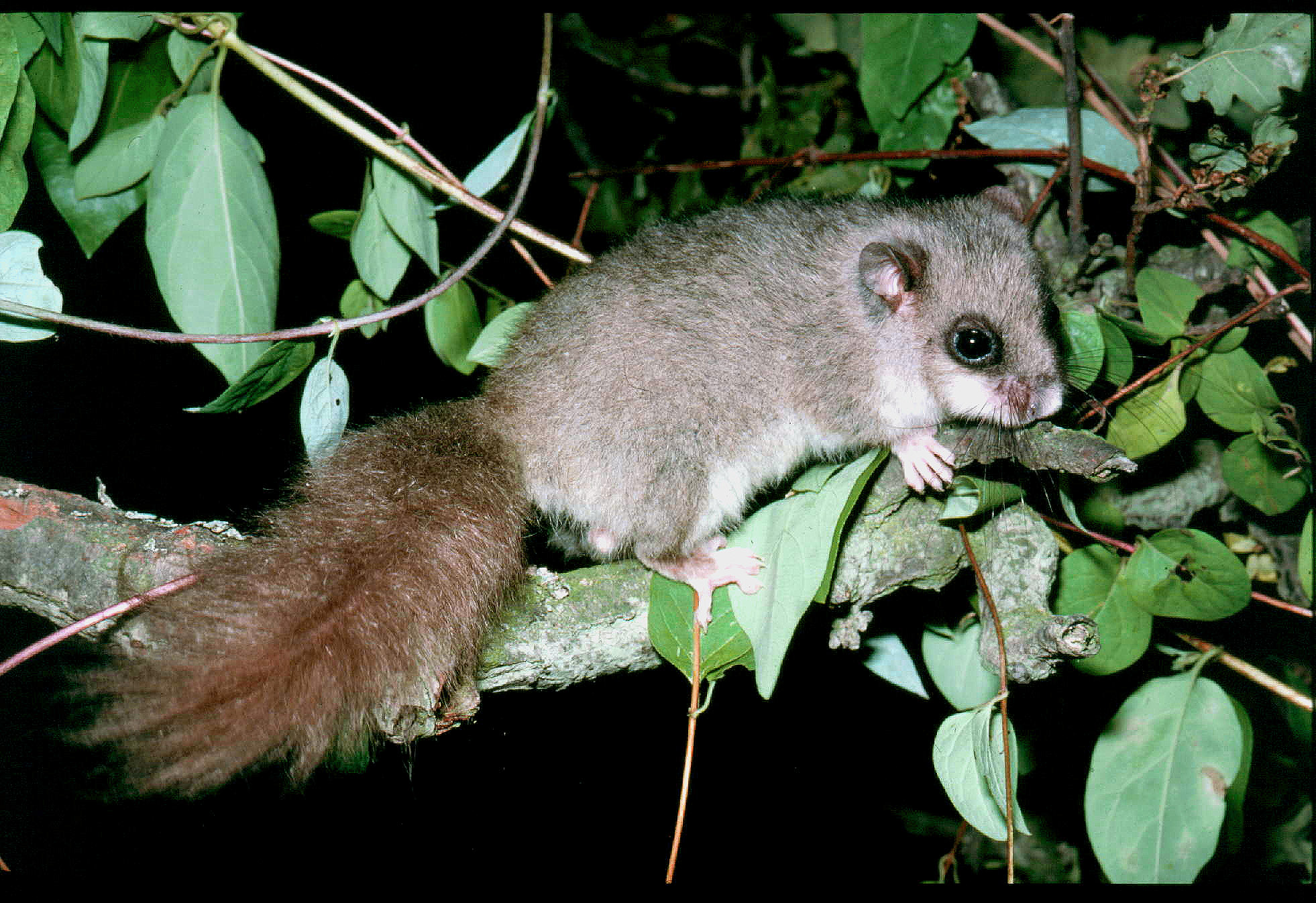
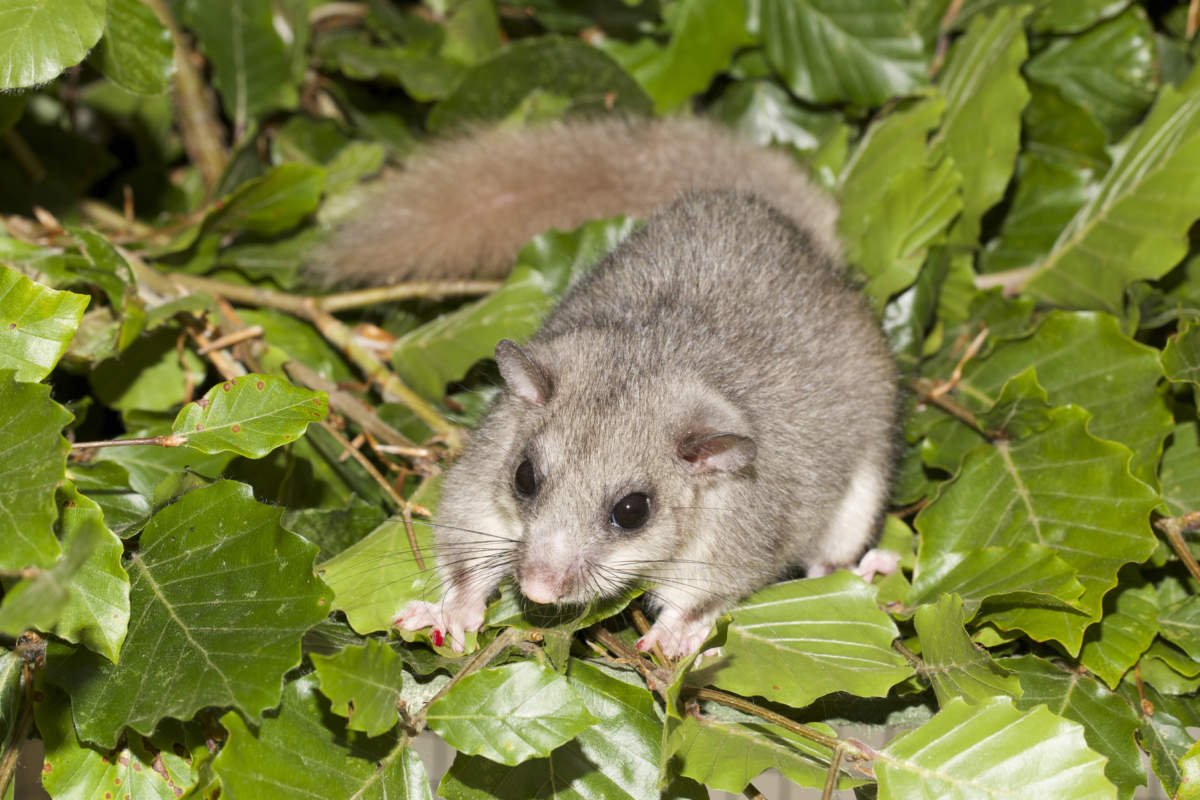
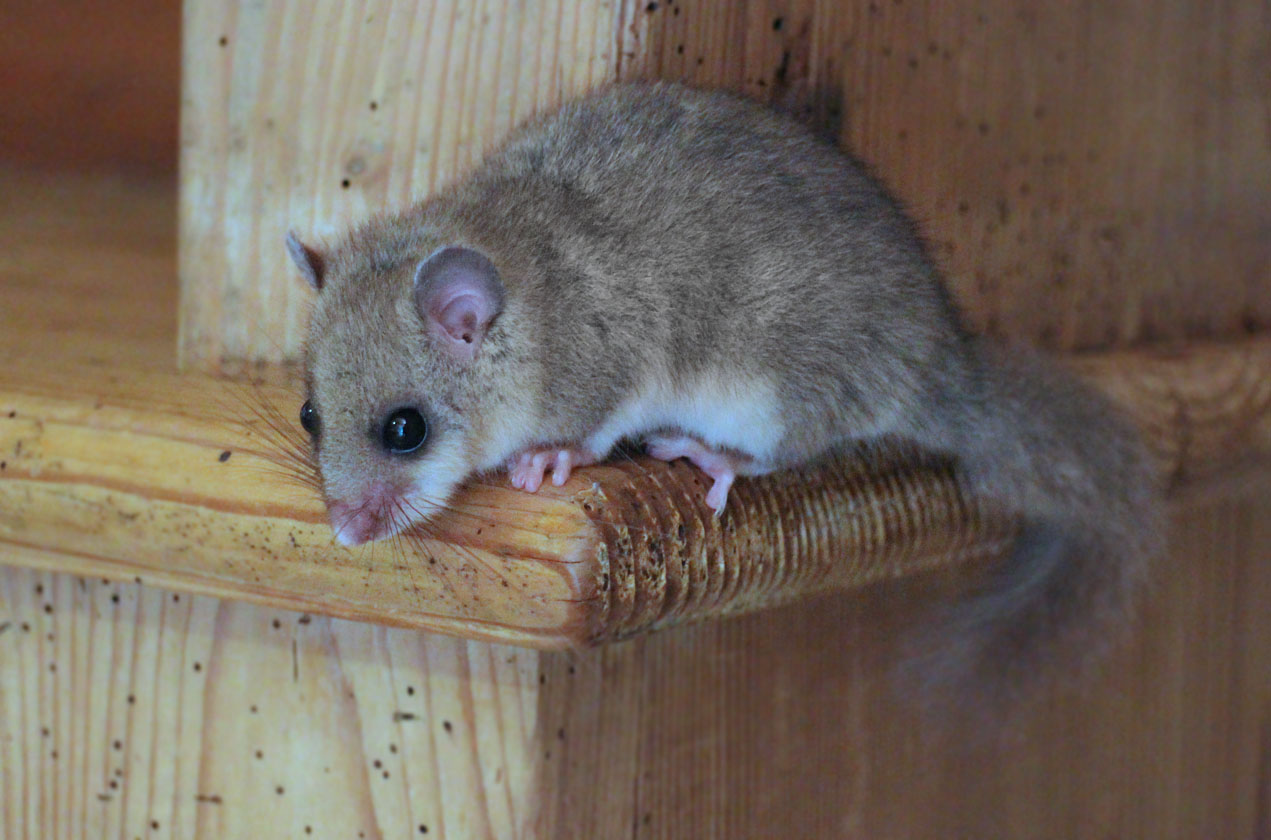
The Edible Dormouse (Glis glis), also known as the Fat Dormouse, is an invasive rodent species that has become a persistent pest problem in parts of the UK. Originally introduced from mainland Europe, the species escaped from Lionel Walter Rothschild’s private collection in Tring, Hertfordshire, in 1902. Since then, their numbers have grown to over 10,000, spreading well beyond the Chilterns into surrounding areas such as Oxfordshire and Berkshire. At Shire Pest Solutions, we specialise in the safe, legal, and effective control of Glis glis infestations in homes and businesses.
Where Are Glis Glis Found?
While historically confined to a small area between Beaconsfield, Aylesbury, and Luton, Glis glis have now been recorded across southern England. They are particularly prevalent in wooded and rural areas, including Wallingford, Didcot, Benson, and Pangbourne. Preferring warm, dark, and enclosed spaces, these nocturnal rodents often invade lofts, attics, and cavity walls in search of shelter and nesting sites.
Recognising a Glis Glis Infestation
These rodents can be difficult to detect due to their secretive, night-time habits. However, there are several telltale signs of an infestation:
- Scratching or scurrying noises in the loft or walls at night
- Strong urine smells and droppings (similar to rats but smaller)
- Gnawed wood, plastic, metal, or electrical cabling
- Stains, nesting materials, or damaged insulation in roof spaces
- Reports of similar issues in nearby homes
Why Are Glis Glis a Problem?
Once inside, Glis glis can cause extensive property damage and health risks. Their constant gnawing can strip insulation from electrical wires—posing serious fire hazards—and damage plumbing and roof structures. They may also contaminate water tanks, chew through pipes, and damage stored goods. Beyond property damage, these pests are highly territorial and difficult to remove once established.
Before Treatment Begins
If you suspect a Glis glis infestation, avoid disturbing the area before professional inspection. Leave droppings and damage untouched so your technician can assess the full extent of the problem. Do not block any entry points until the infestation has been fully treated. Keeping a record of sightings and noises can help identify nesting areas and entry routes.
Our Treatment Process
At Shire Pest Solutions, our Glis glis control process typically includes three visits, ensuring complete and humane removal:
- Inspection: Identifying infestation areas, entry points, and assessing damage.
- Treatment: Setting traps that must be checked daily. For larger infestations, additional visits may be required.
- Proofing and prevention: Once removed, we seal all entry points to prevent re-infestation.
This method ensures a thorough, compliant, and long-lasting solution to your pest problem.
Loft Decontamination and Repairs
After removal, loft decontamination is essential. In minor cases, a biocidal spray can disinfect contaminated areas. For severe infestations, full insulation replacement may be necessary. This involves safely removing contaminated material, vacuuming the loft space, and installing new insulation—ensuring a clean and hygienic environment.
Do Glis Glis Carry Diseases?
Like other rodents, Glis glis can spread harmful bacteria and parasites through their urine, droppings, and saliva. They also attract fleas, mites, and ticks, which can transmit additional diseases. Health risks include:
- Leptospirosis: Spread through contaminated urine, it can cause fever, muscle pain, and in severe cases, liver or kidney damage.
- Salmonella: Contracted through contaminated food or surfaces, leading to stomach cramps, diarrhoea, and vomiting.
- Parasite-borne infections: Fleas and ticks from Glis glis can transmit illnesses such as Lyme disease and typhus.
These pests can also contaminate food and water, creating further hygiene risks for residents and pets.
Legal Status in the UK
The Edible Dormouse is classified as a Destructive Introduced Species under the Invasive Alien Species (Enforcement and Permitting) Order 2019. It is illegal to release a captured Glis glis back into the wild. All pest control activity must therefore comply with strict legal requirements. At Shire Pest Solutions, our trained technicians handle Glis glis infestations legally, ethically, and in full compliance with UK regulations.
Why Are Glis Glis Hard to Remove?
These rodents are highly agile and can squeeze through small openings near roofs or eaves. Their nocturnal habits and territorial behaviour make them persistent once established. If re-entry points are not fully sealed after removal, they often return, which is why professional proofing is crucial to long-term success.
Preventing Future Infestations
- Inspect and seal all gaps and holes around the roofline
- Trim back tree branches near roofs to limit access routes
- Remove food sources and nesting materials from lofts
- Install mesh guards over vents and other potential entry points
Professional Glis Glis Control with Shire Pest Solutions
Glis glis infestations require expert handling due to their protected status and complex behaviour. Our experienced technicians provide thorough inspection, legal removal, and full proofing solutions across Oxfordshire, Berkshire, and surrounding counties. If you suspect an infestation, contact Shire Pest Solutions today for fast, professional assistance and long-term peace of mind.
Glis Glis Control FAQ
More About Shire Pest Solutions
Shire Pest Solutions is a trusted and local pest control company proudly serving homes and businesses across Oxfordshire and beyond. We have built our reputation on professionalism, reliability, and fast response times, specialising in the safe and effective removal of pests including ants, wasps, rodents, bed bugs, and more.
Our expert technicians hold full qualifications and use the latest tools and treatments to resolve pest problems quickly and safely—without unnecessary disruption. Whether you face a minor domestic issue or a large-scale commercial infestation, we design our services to meet your needs with minimal fuss and maximum effectiveness.
Based locally, we regularly assist customers in Didcot, Wallingford, Abingdon, Wantage, Witney, Newbury, Thame, Thatcham, and Stokenchurch. Our knowledge of the local area enables us to provide rapid call-outs and treatments that are suited to the unique pest challenges of each location.
At Shire Pest Solutions, we don’t just eliminate pests—we stop them from returning. We offer transparent pricing with no hidden fees, and we dedicate ourselves to customer satisfaction, making us the go-to pest control provider for homeowners, landlords, and commercial clients alike.
Contact us today to arrange a call-out or find out more about our pest control services across Oxfordshire and surrounding areas.